

Cape Town plant job
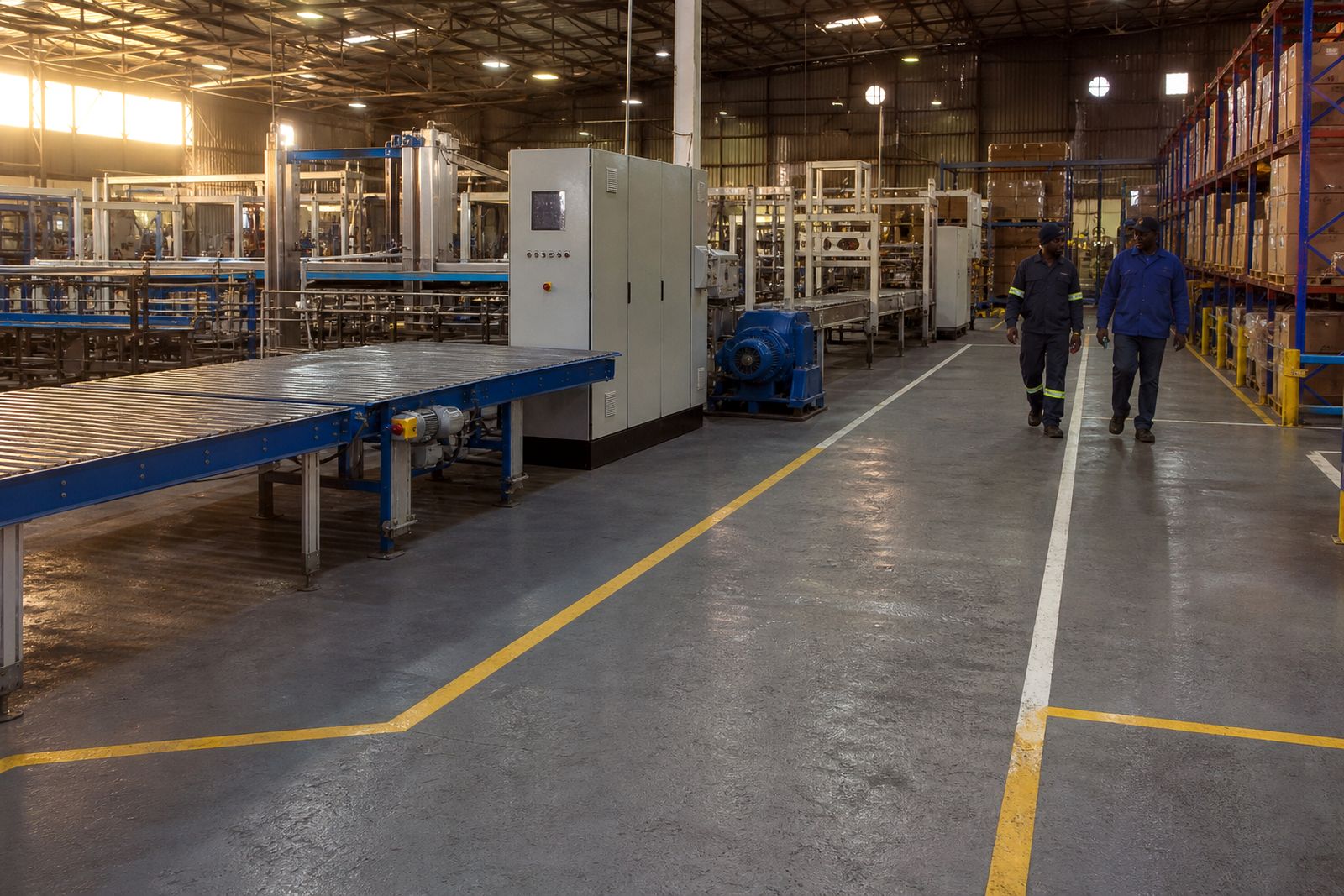
Where conveyor, drive and control panel runs at your plant pass open doorways, plan the route with care. Along these passageways, cable runs on the client’s plant are lifted clear of the floor, junction boxes sit well inboard from the opening and sensor brackets are arranged so that drips and standing water do not collect around terminations.
Lock-out planning on Cape Town lines
Start-up on production lines can bring a short window before forklifts and packing teams reach full pace. During that slot, supervisors decide which conveyors can be locked out, which drives must stay energised for utilities, and how to stagger stops so maintenance and reconfiguration tasks do not clash along the same route.
Quote requests that mention floor condition, the duty of each conveyor or drive and any washdown regime give a truer picture of how the plant runs. Unprotected platforms and transfer points can show problems first, so notes on rusted fasteners, stained steelwork or seized bearings at those spots help focus attention on the right problem areas.
Where a site has strict induction and access rules, security or production managers can indicate whether external contractors may pass through production zones, whether escorts are required and which permits or hygiene checks apply during live runs or scheduled shutdowns.
Protecting floors and equipment at your Cape Town plant
Take slab moisture and temperature readings at the doorways as well as mid-floor, and schedule mixing, priming and overcoating around what you record.
Notes that describe how each hall or line actually runs help shape practical drawings and work sequences. Simple descriptions of area size, traffic routes and long-standing trouble spots in your plant guide where joints, falls and repairs are planned so that doors, drains and lift thresholds keep working smoothly.
Useful details to include in an initial message for Cape Town sites:
- Positions of cracks, worn patches, ponding water and patch repairs already in the area
- Hours when forklift and foot traffic drop enough to cordon off sections safely
- Operating load, belt speed and running hours that influence wear points and guarding needs for each item
- Cleaning chemicals, washdown pattern and abrasive spillage that have previously attacked coatings, bearings or seals
Moving long items into the building
Where doors, ramps or lift cars are tight for modern conveyors and panels, long or tall items are split into shorter modules, moved level by level and reassembled where the line will run, with rigging plans set for each floor.
Note any building rules on noise or lift use that apply while the work is under way.
What our Plant Equipment customers say
Verified Google reviews
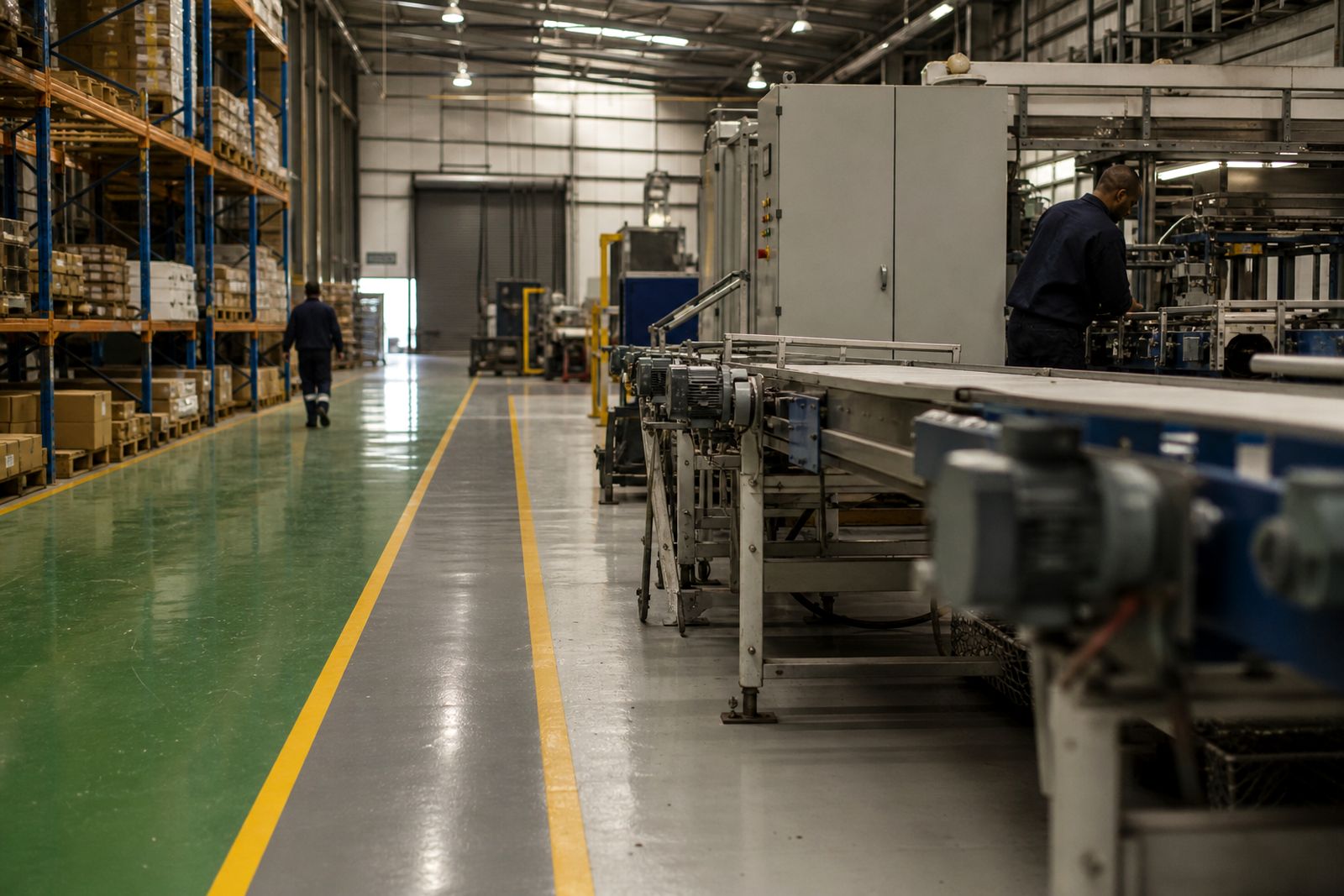
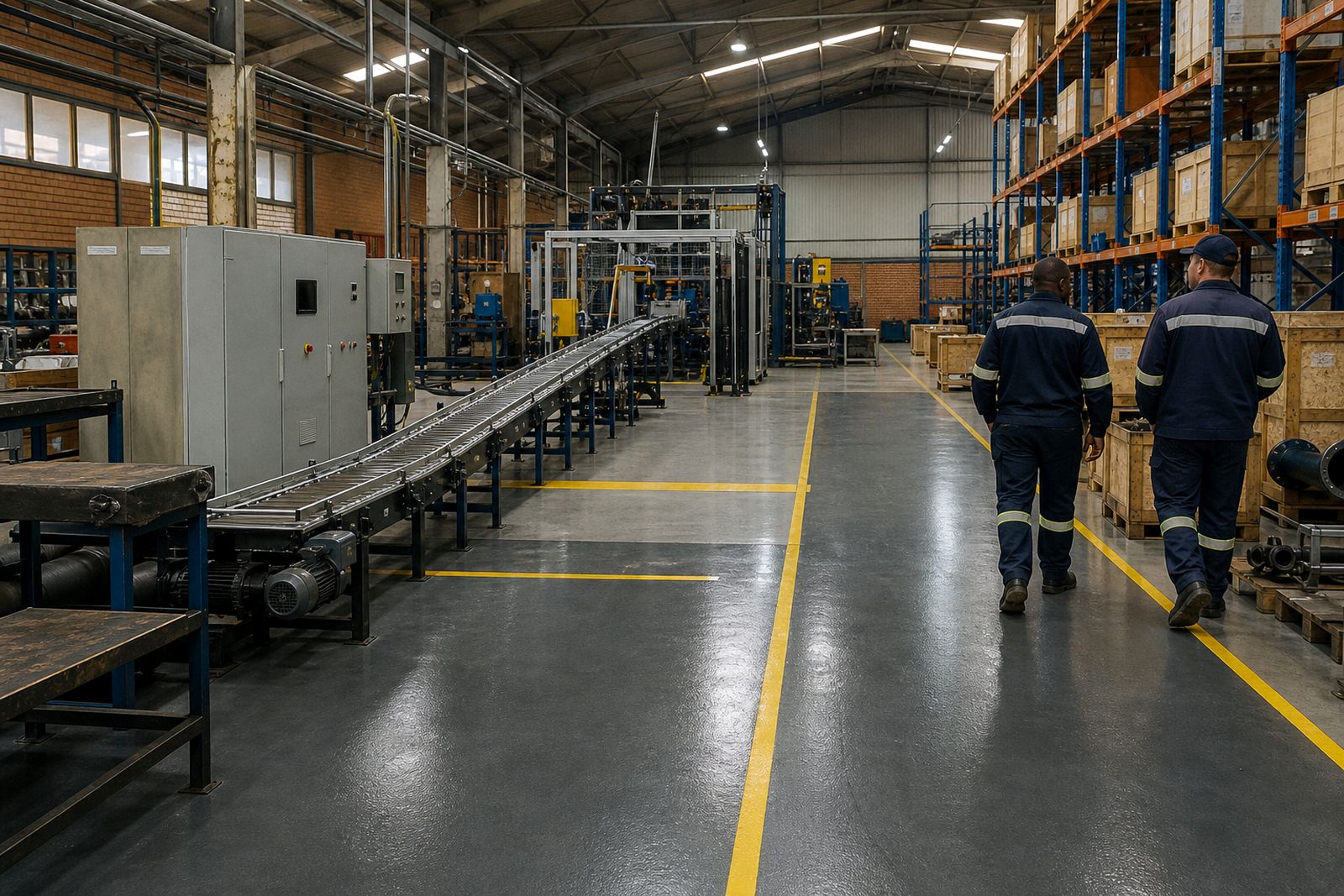
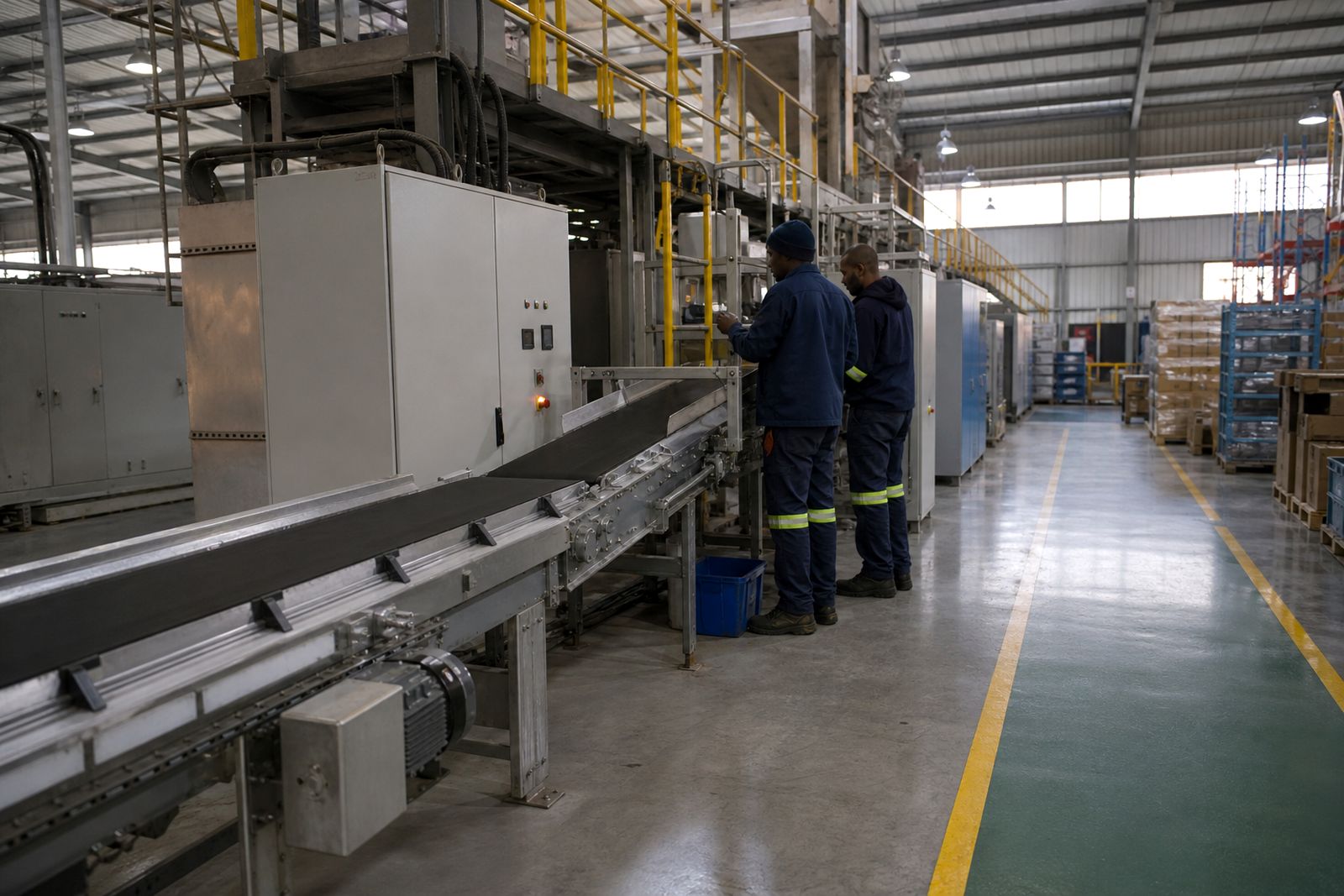
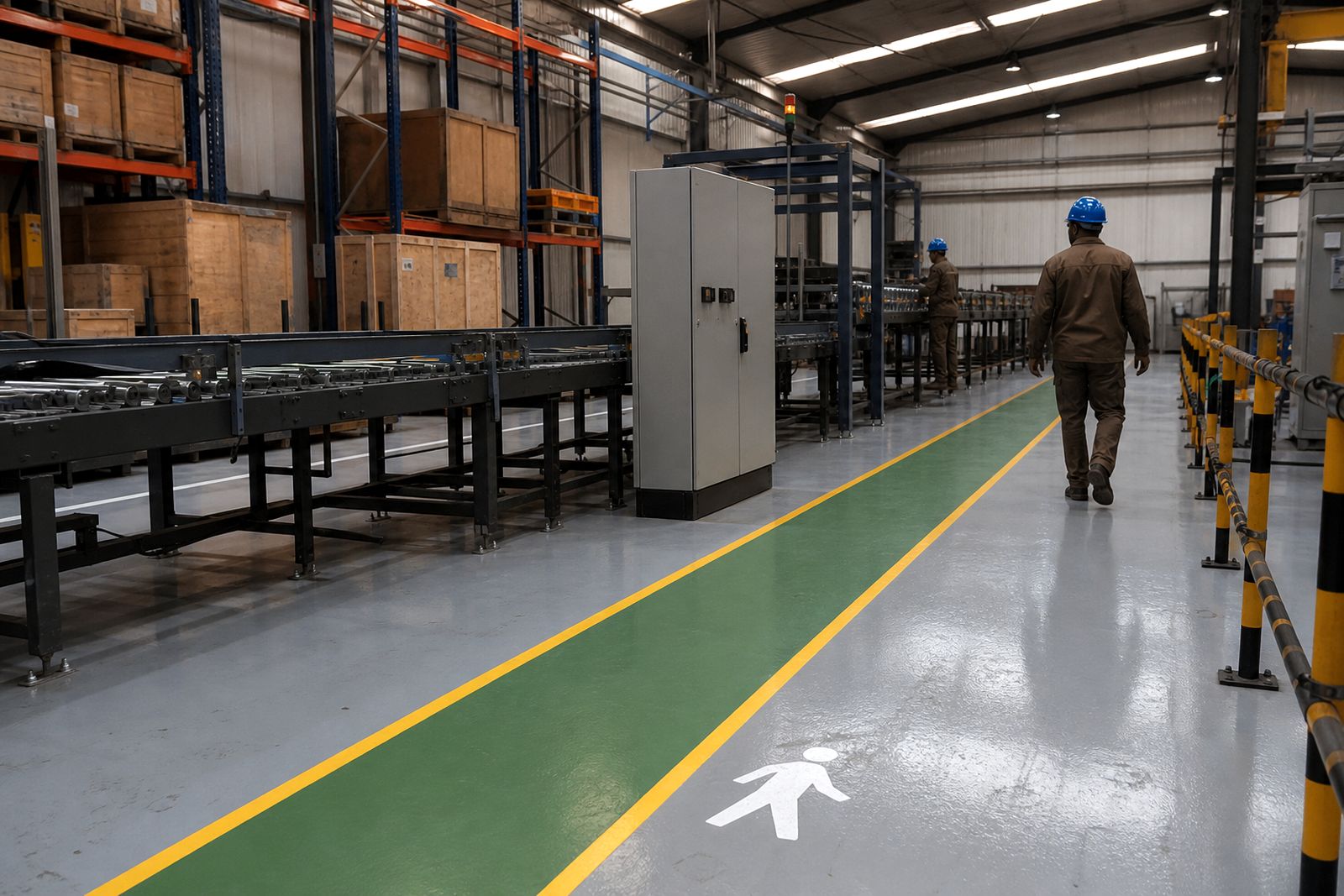
Does a run cross an open doorway?
Describe the opening at your Cape Town plant and what passes through it during a shift.
Start an enquiry