
Parts supply support
Parts support for buyers who need the correct component fast, tied to the actual plant item and its reference details.
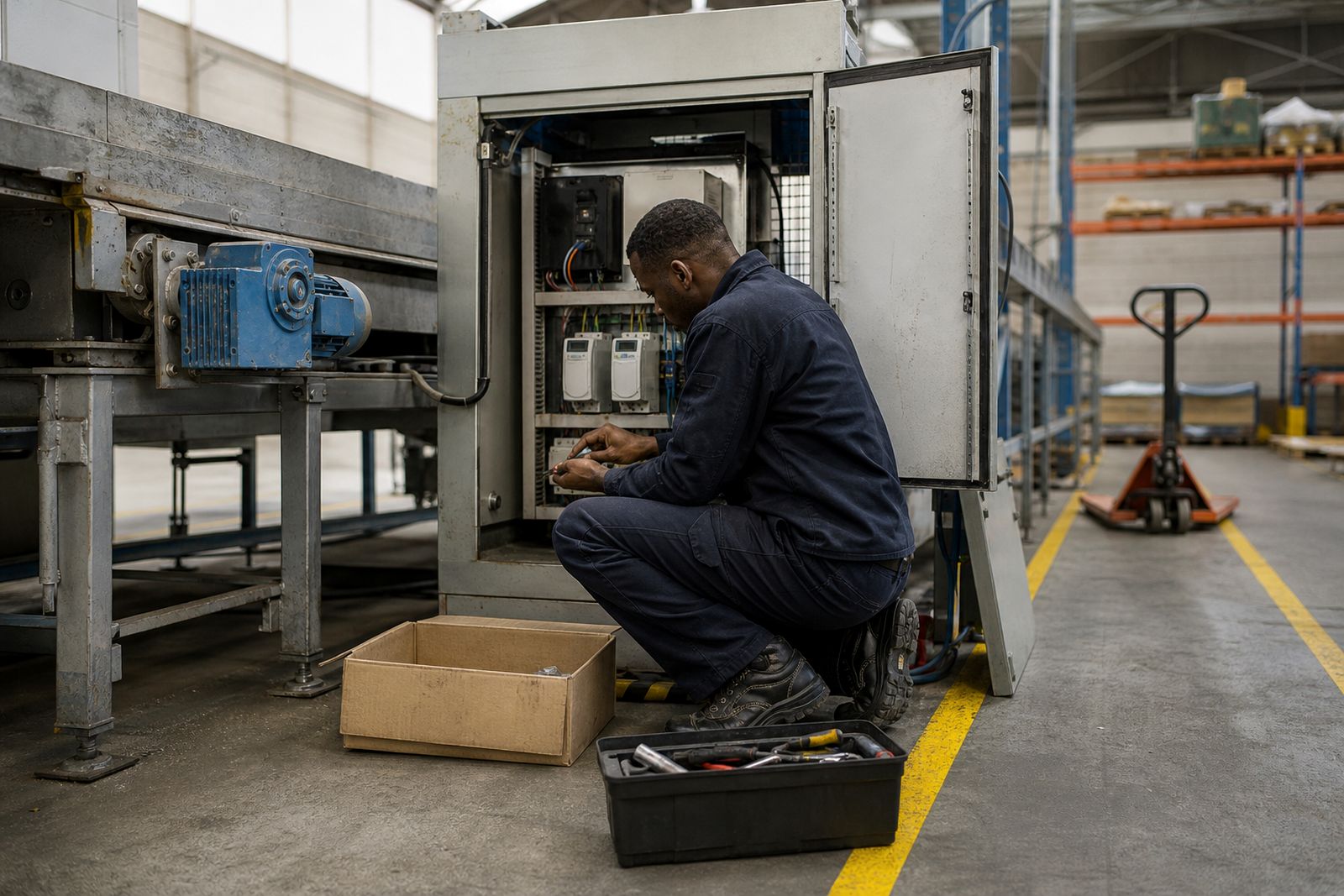
How the parts team fits an Oric plant week
The parts counter is for buyers who need the correct component, not a long sales trail. Keep parts supply tied to the actual plant item so South African floors get the right fit, reference and application.
Start with the machine tag, maker, and the part number off the failed item if it is still legible. Add the duty it performs, such as conveying, dosing, sealing, sensing, or guarding, because similar-looking components are often rated differently. Inland dust, coastal corrosion, and unstable power all matter when a buyer is replacing contactors, bearings, probes, belts, or pneumatics in South African plants.
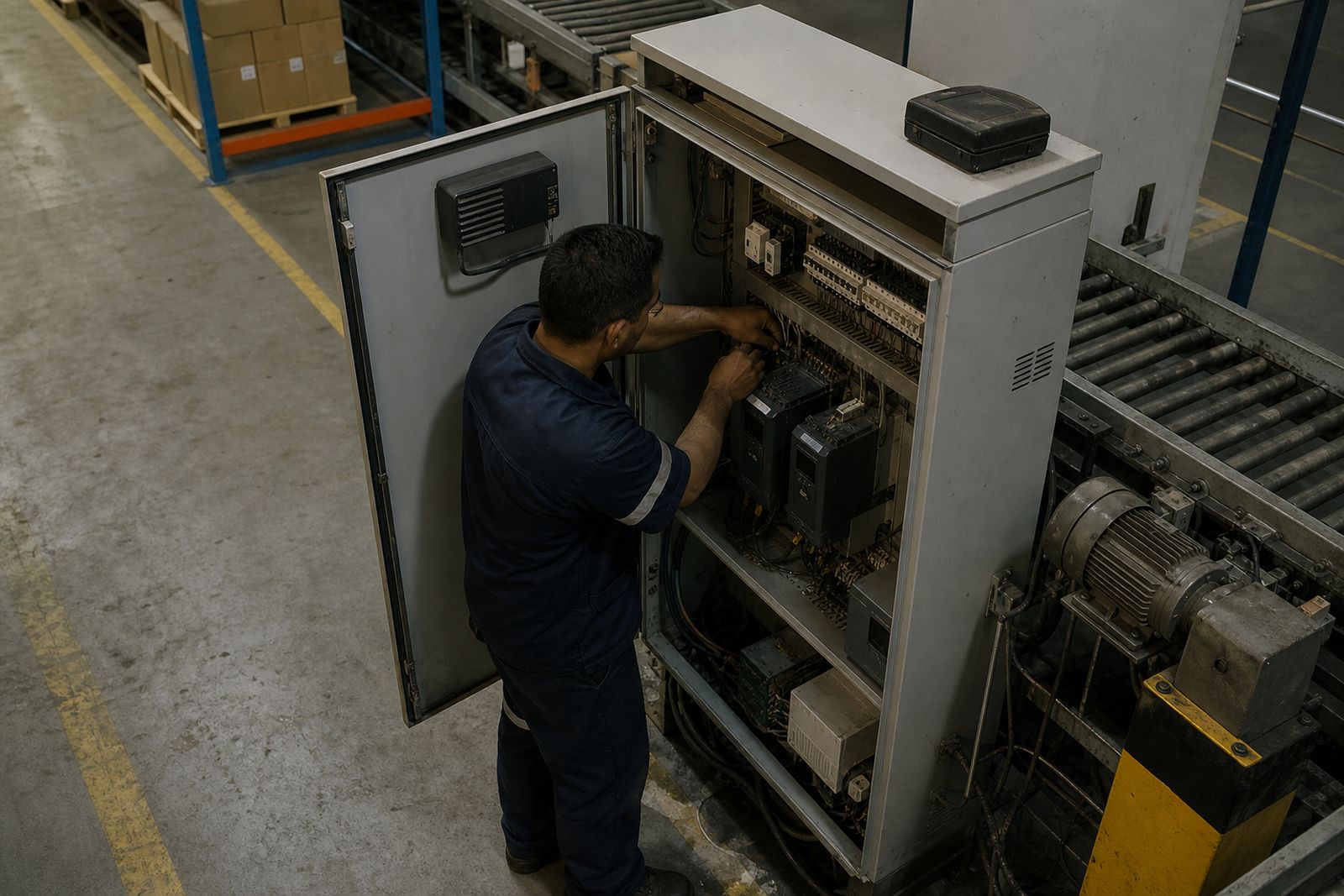
Photograph the installed component before removal, including the cable entry, mounting face, and any stamped code. A parts brief is easier to place when the old item, mating piece, and surrounding assembly are visible in one record. That file helps separate wear, wrong fitment, and damage caused by heat, washdown, or vibration.
Parts details that prevent mismatches
This counter is aimed at replacement supply tied to a specific plant item, not open-ended browsing. Useful requests include shaft size, voltage, thread, seal material, pressure class, or enclosure rating where relevant. Buyers usually need the supplied part to match the installed equipment list and the application on site.
Link the request to the exact machine or assembly before adding adjacent items. Check nameplates, old invoices, and any stores reference before sending the brief through the contact form. Include photos of the failed part, the mounting position, and anything non-standard that was modified on site.
- Machine tag and part reference
- Clear photos of failed component
- Application notes for the item
Parts checks for South African sites
Nameplate data is often incomplete on older equipment, especially where gearboxes, motors, valves, or sensors have been changed over time. State what is original and what was substituted, particularly on imported plant with mixed standards. Sites around Johannesburg, Durban, Cape Town, and smaller regional operations often carry a blend of metric and imperial fittings, which can catch out a reorder.
Coastal installations need attention on finishes, seals, and corrosion around terminals and housings. Dry inland conditions can shorten the life of filters, rollers, and sensor faces where dust loading is high. Where power quality is poor, buyers should mention tripping history, burnt contacts, or repeated PSU failure so the replacement is checked against the operating conditions.
Operated by Astros Marketing (Pty) Ltd from 2 Makro Place, Sunnyrock 1401.
What to include in a parts brief
Send the parts brief with site photos, timing, and what has already failed. An accurate subject line helps separate a breakdown from routine replenishment.
Include the equipment name, site, quantity needed, and whether the request is for a breakdown, service stock, or planned replacement. If a component failed, note how it failed, such as seized, leaking, cracked, tripping, overheating, or giving unstable readings. Pairing that information with photos and any old reference numbers makes the parts request easier to match to the plant item.
What our Plant Equipment customers say
Verified Google reviews
Also worth a look
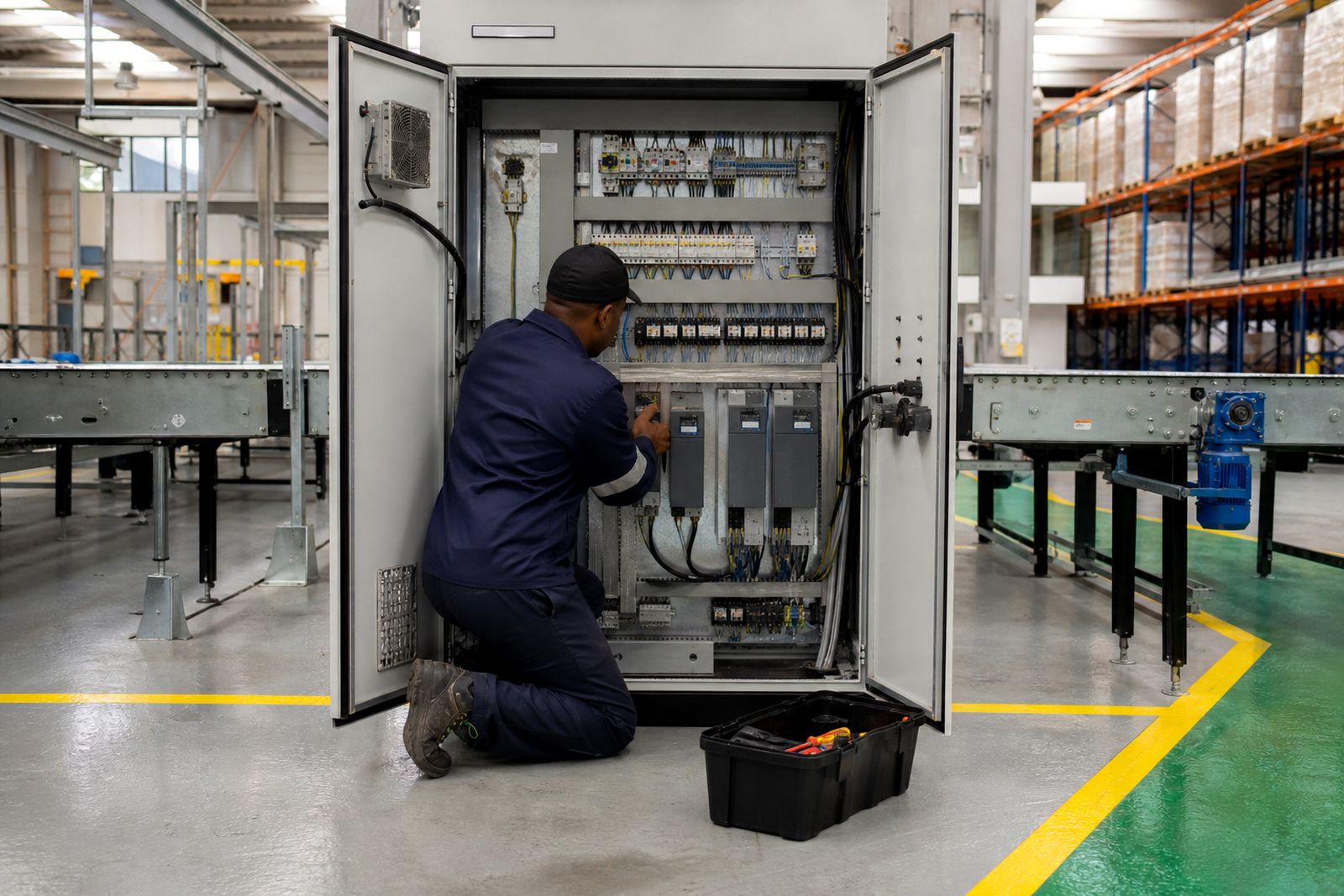
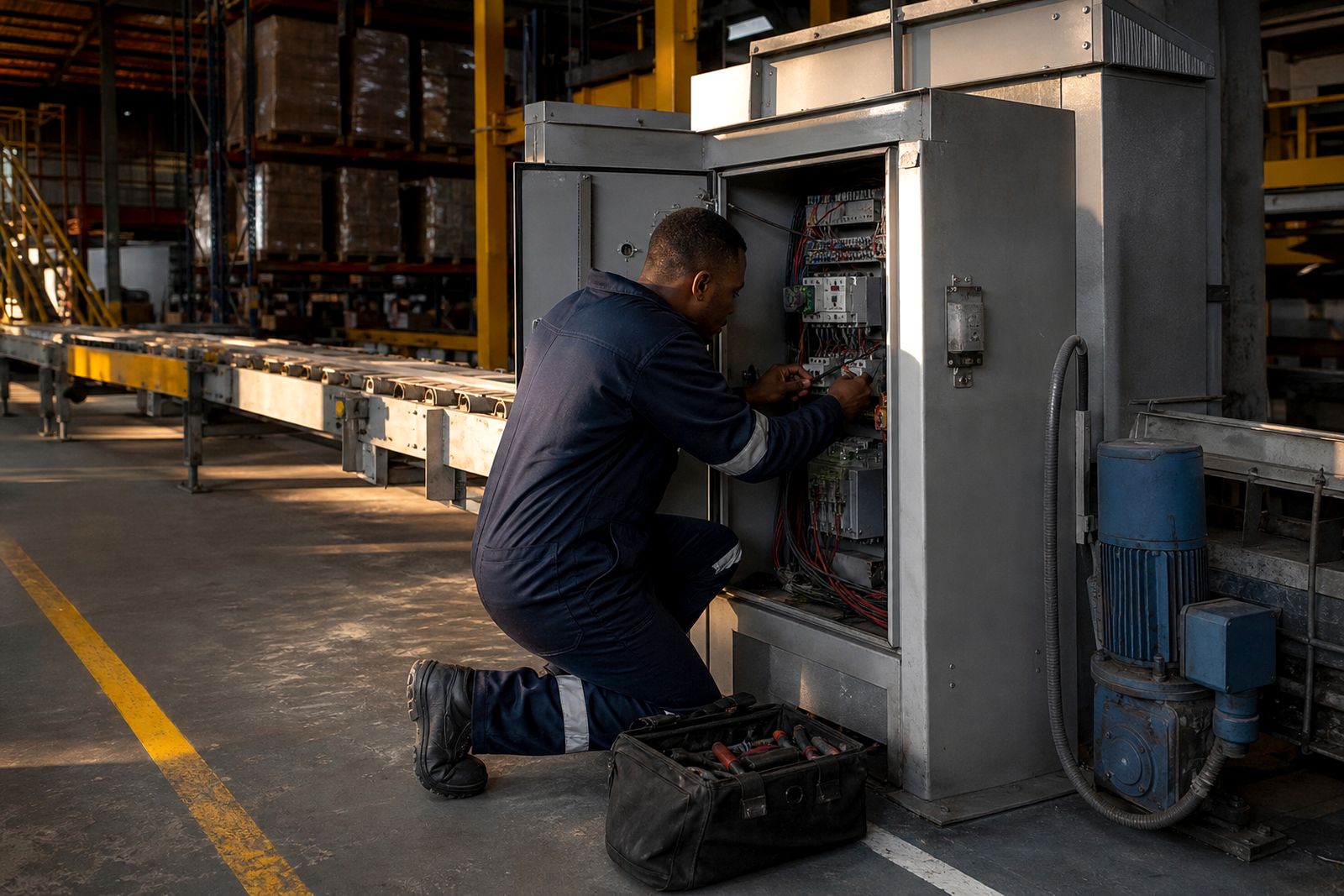
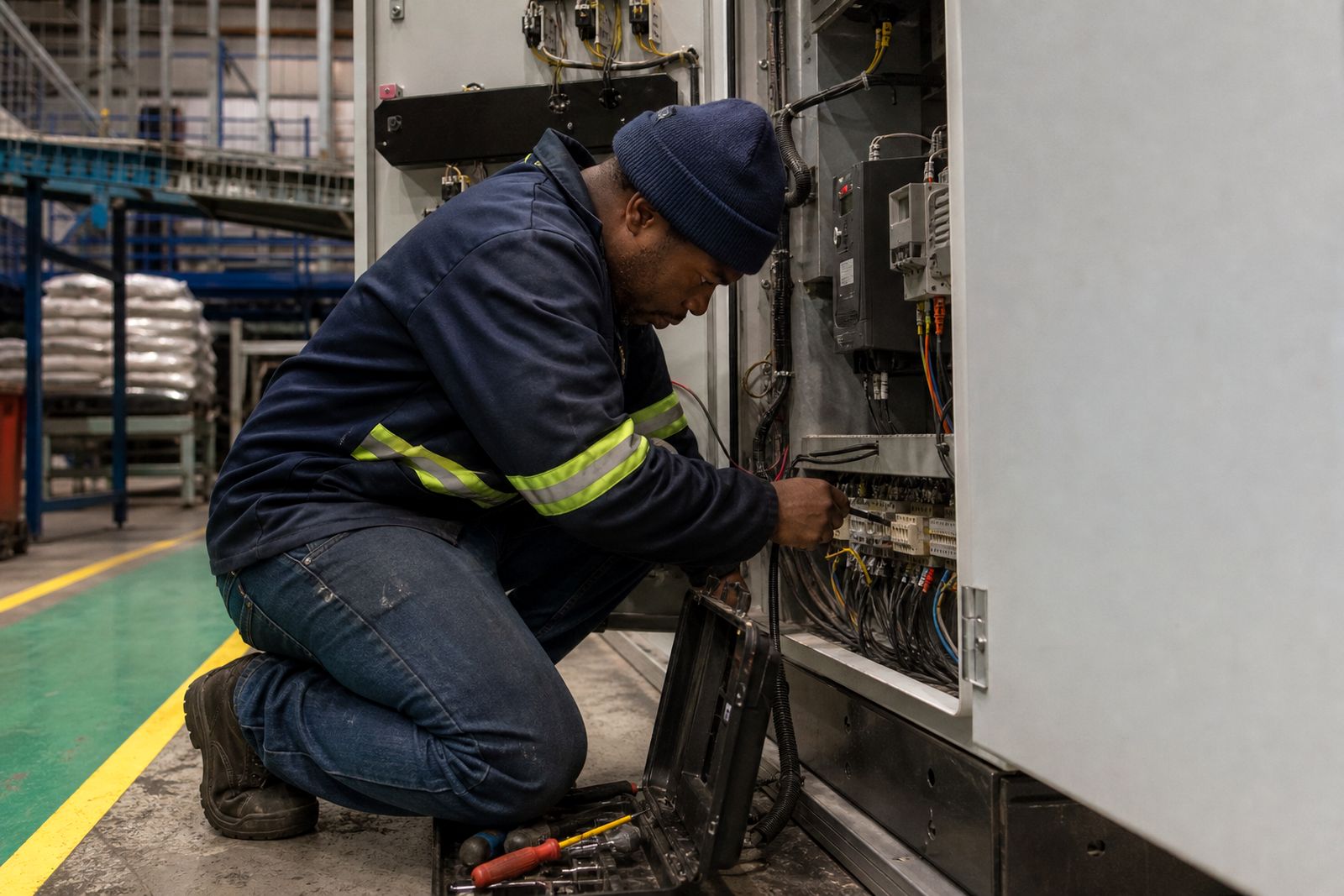
Tell us about your plant and the job
Send a note through our contact form with your site, the line or area involved, your shift pattern and what needs to change, and we will come back with practical options.
Open the contact form