

Midrand plant job
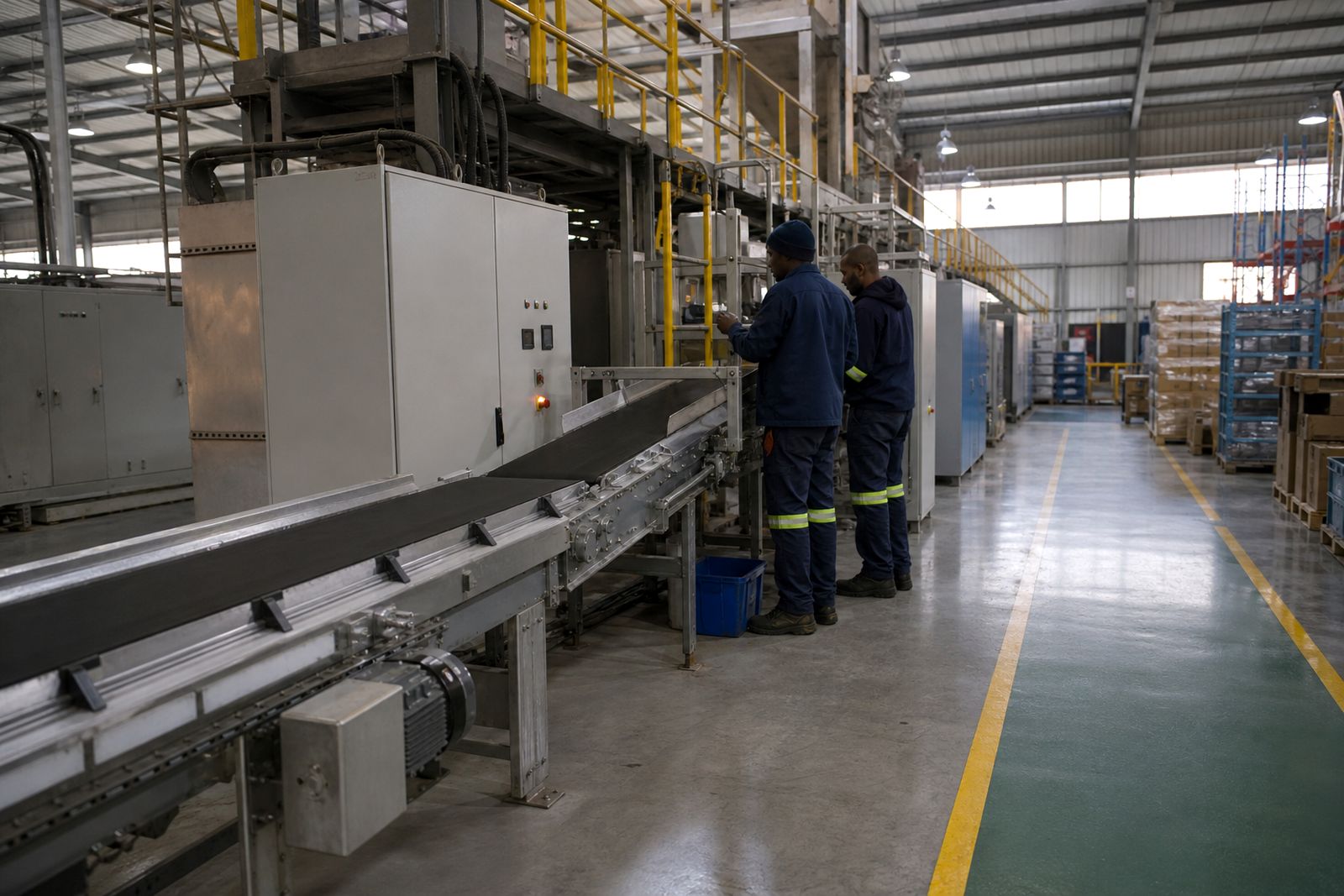
Lines at a Midrand plant may pause only briefly, so conveyor, drive, control, sensor and coating work is planned to finish inside tight shutdown windows with clean tie-ins.
Information buyers send with the first enquiry
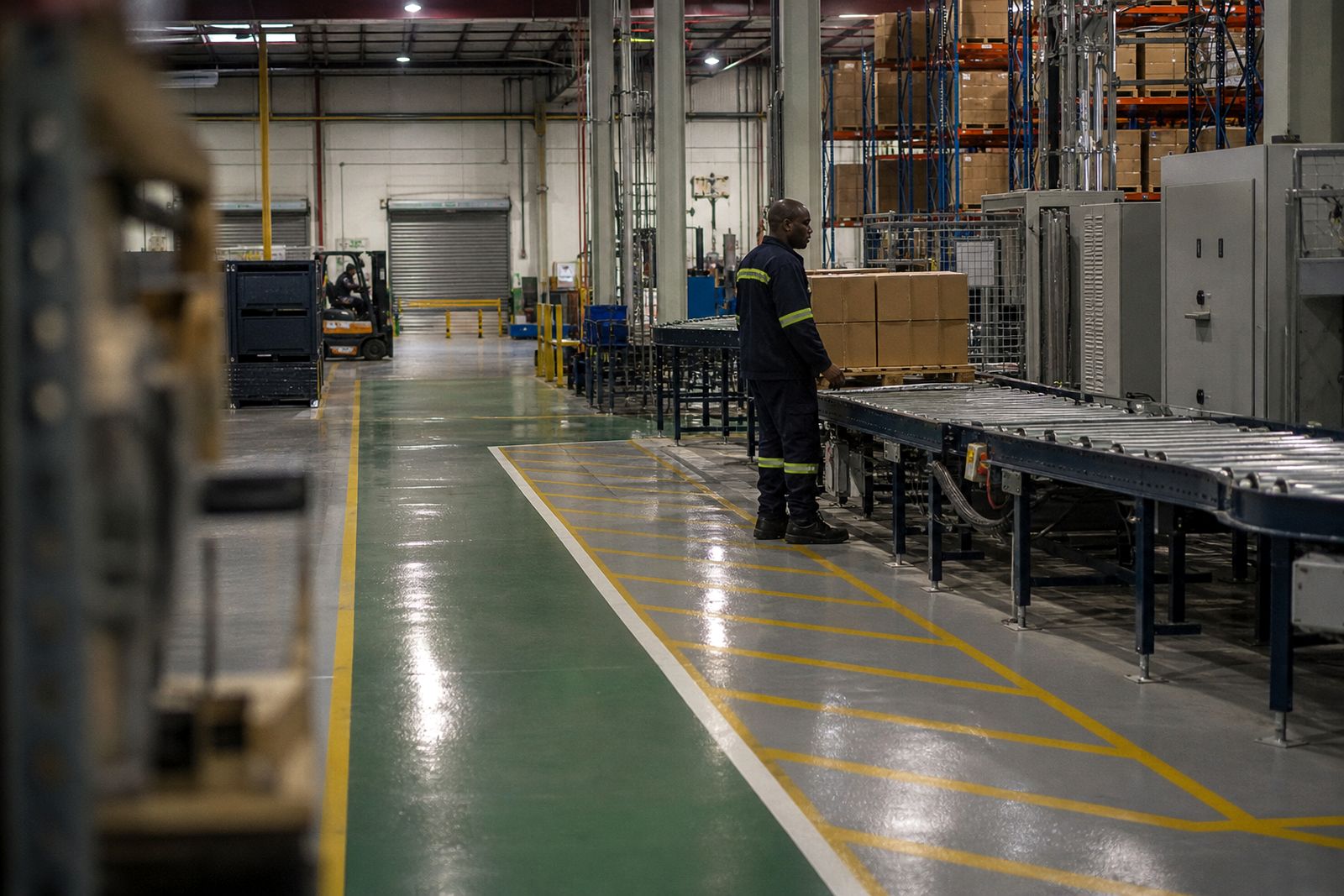
Production engineers mark up simple layouts to show where new conveyors must connect into existing lines, which zones need fresh coatings and how current drives, controls and sensors are arranged. Clear notes on coating areas, tie-in points and control panels let everyone see how the new work fits around the live equipment already in place.
Details in the first message work best when they state Midrand upfront, outline the shutdown or low-activity window and list any aggressive cleaning chemicals or wash-down procedures that might touch sensors and coatings. Extra measurements, layout notes or a clearer written description of the line can always be added later if the project grows more complex.
Useful points to include:
- Expected conveyor load, running speed and daily operating hours for each line
- Visible floor wear or damage in individual work zones
- Drives and controls your team intends to retire or uprate
- Sensors presently sitting in dusty spots or regular wash-down paths
Internal loading docks and on-site access
If loading docks have height limits, conveyor sections are planned in shorter modules and coating drums grouped on compact pallets. Site security may request vehicle registration lists and delivery references before allowing equipment onto the premises.
Indicating which access gate lies closest to the plant entrance helps your own team or contractors move conveyor sections, panels and drums indoors efficiently.
What our Plant Equipment customers say
Verified Google reviews
Marked-up layout ready?
A simple Midrand layout showing tie-in points and coating zones is the best way to open an enquiry.
Start an enquiry