

Polokwane plant job
Every choice on a Polokwane plant job starts from the duty each conveyor, drive and floor will carry.
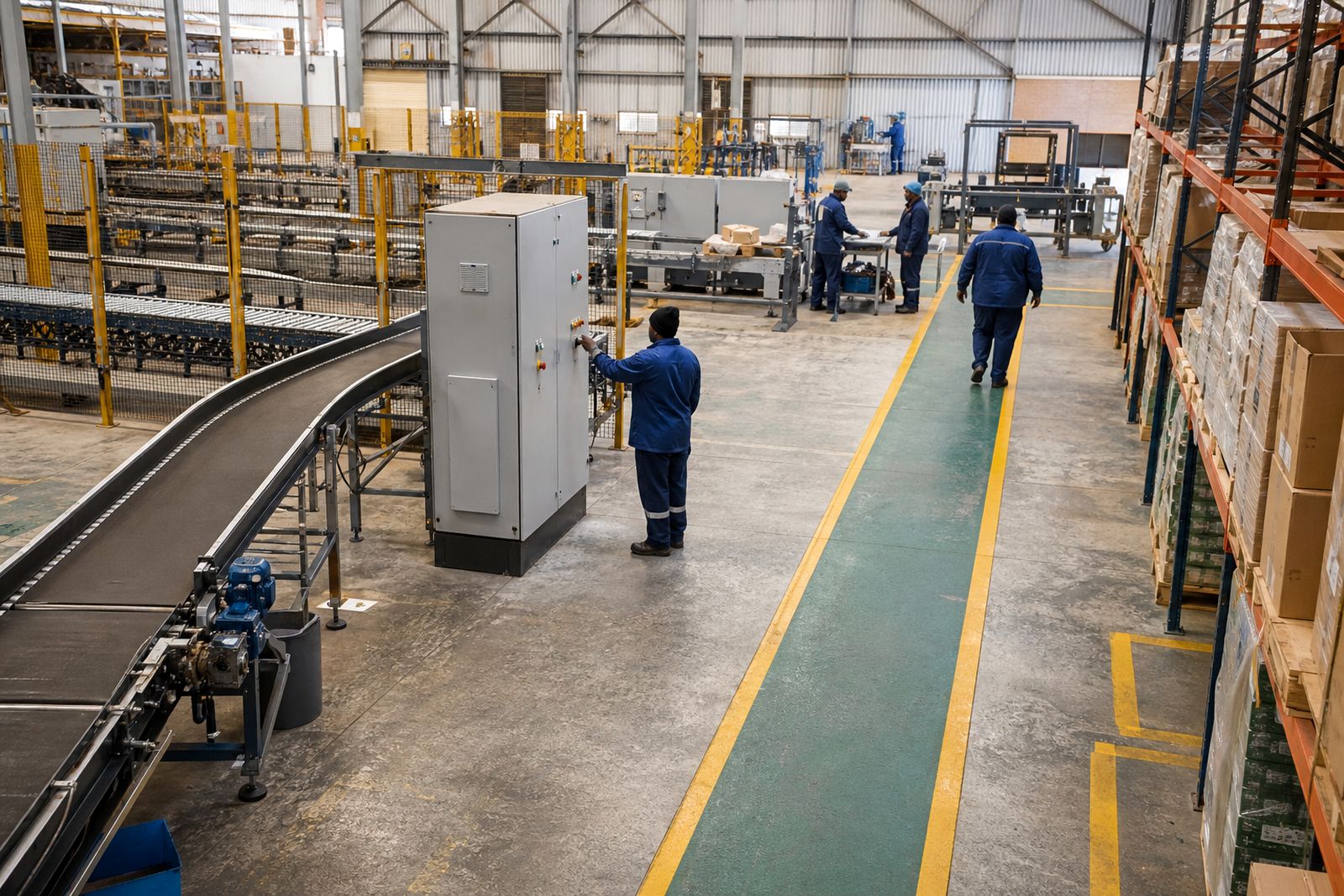
Conveyors and coatings on Polokwane lines
Conveyors, drives and resin floor coatings are specified from concrete figures such as throughput, product type, wash-down chemicals and cleaning frequency, rather than generic duty labels. Project schedules should also note delivery arrangements with your chosen suppliers.
Drive sizing uses figures for the real load, running speed and number of starts expected in your process. Where dust settles on open product, sensor positions and guarding are set out together with the mechanical layout.
Conveyor and control work is scoped around:
- Layout summary naming every work area together with its floor level
- Recorded shutdown or low-production period allocated to the job
- Brief description of the product or function served by each conveyor, drive or panel
Floor finish expectations in Polokwane plants
In-plant workshops need thorough substrate preparation and a clear agreement on performance limits before any coating stage starts. Temperature and curing characteristics influence how coating layers and curing steps are sequenced.
Control wiring, earthing and interlocks are checked against the installed drives and panels as part of the commissioning plan. In wash-down areas, coating systems and joint details are arranged to keep edges intact and protect sensor wiring from water and cleaning chemicals.
Stop-start duty on long shifts
Conveyors that run long shifts with frequent starts and stops need drive sizing, brake selection and control logic set from figures on tonnage, product type and operating hours.
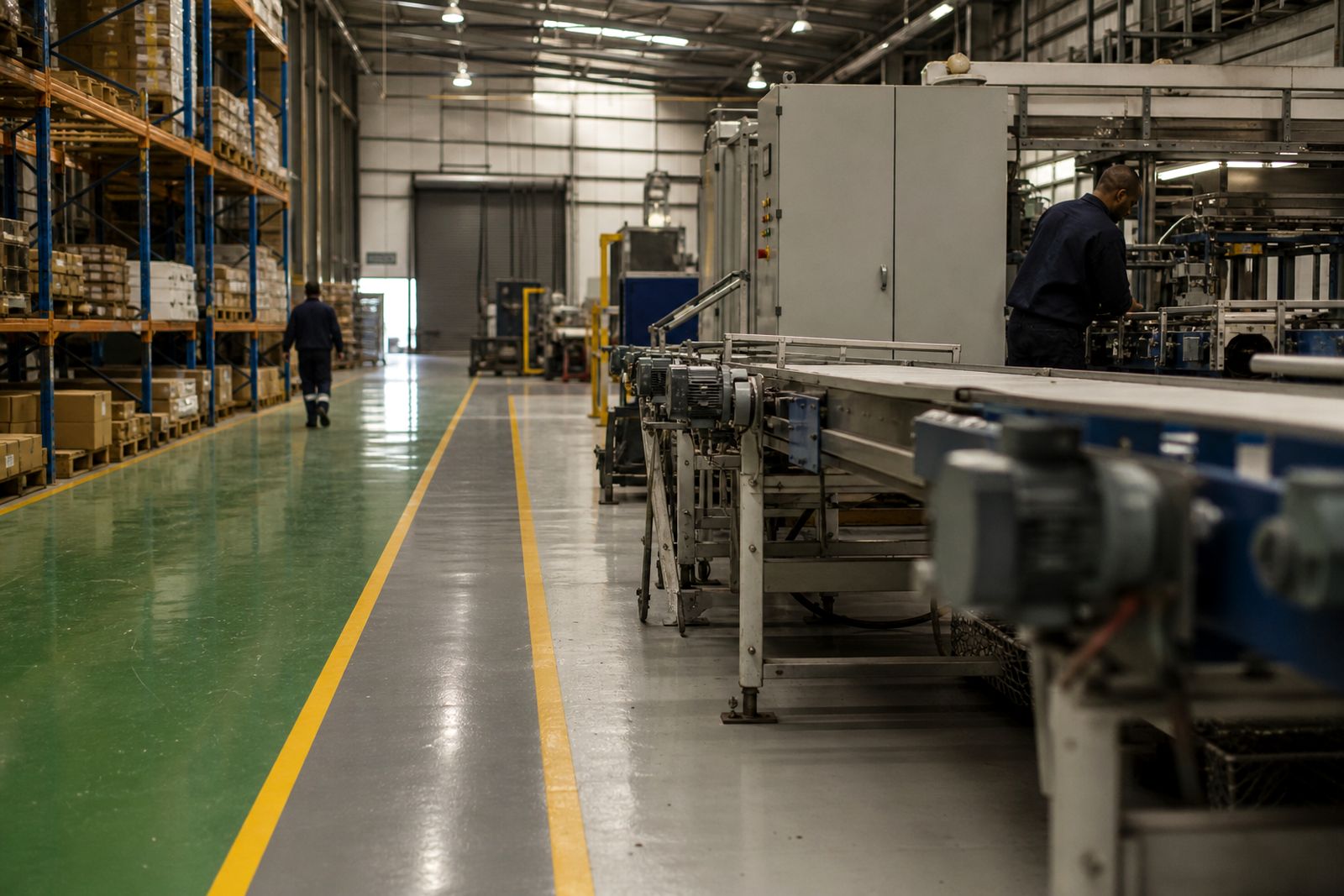
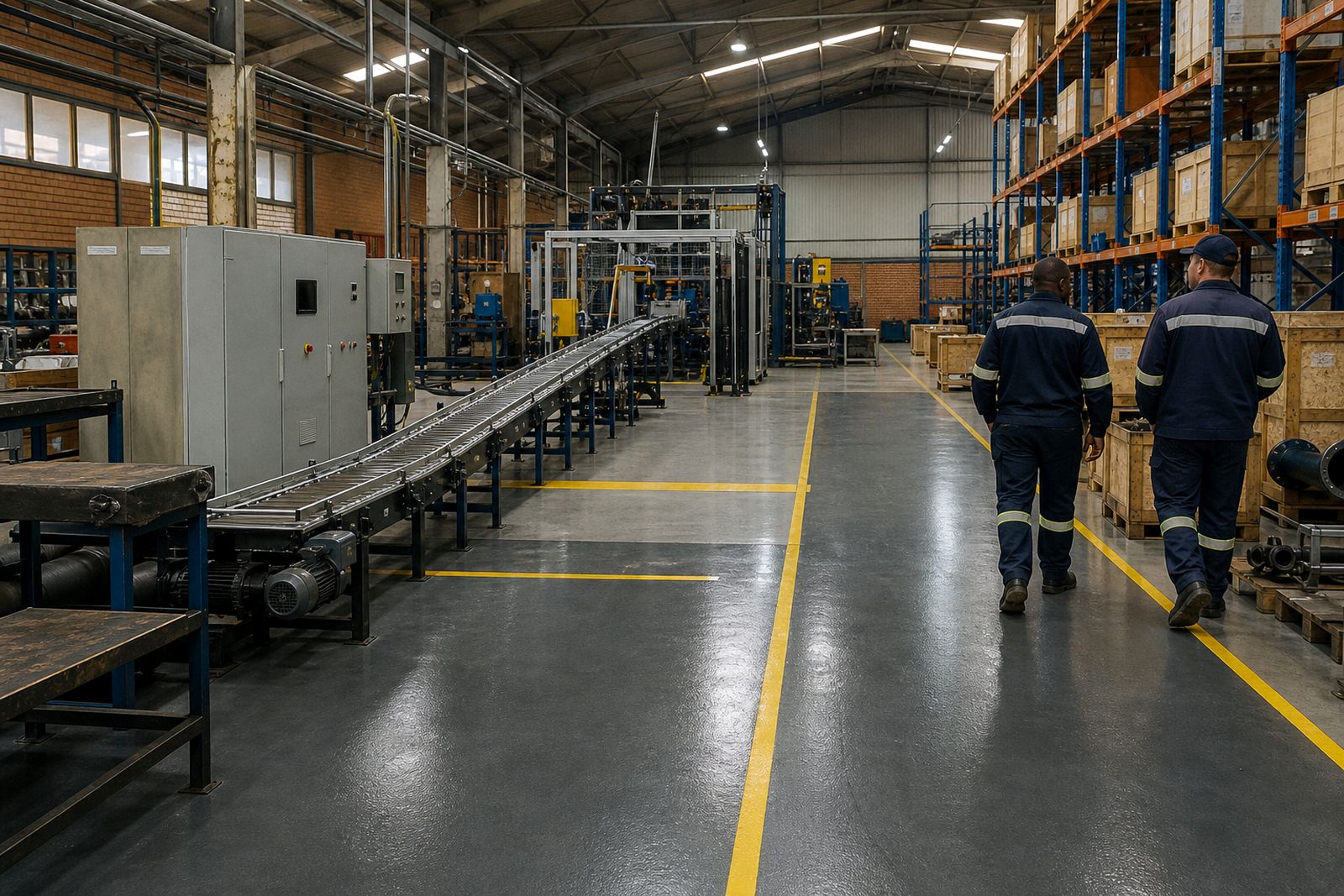
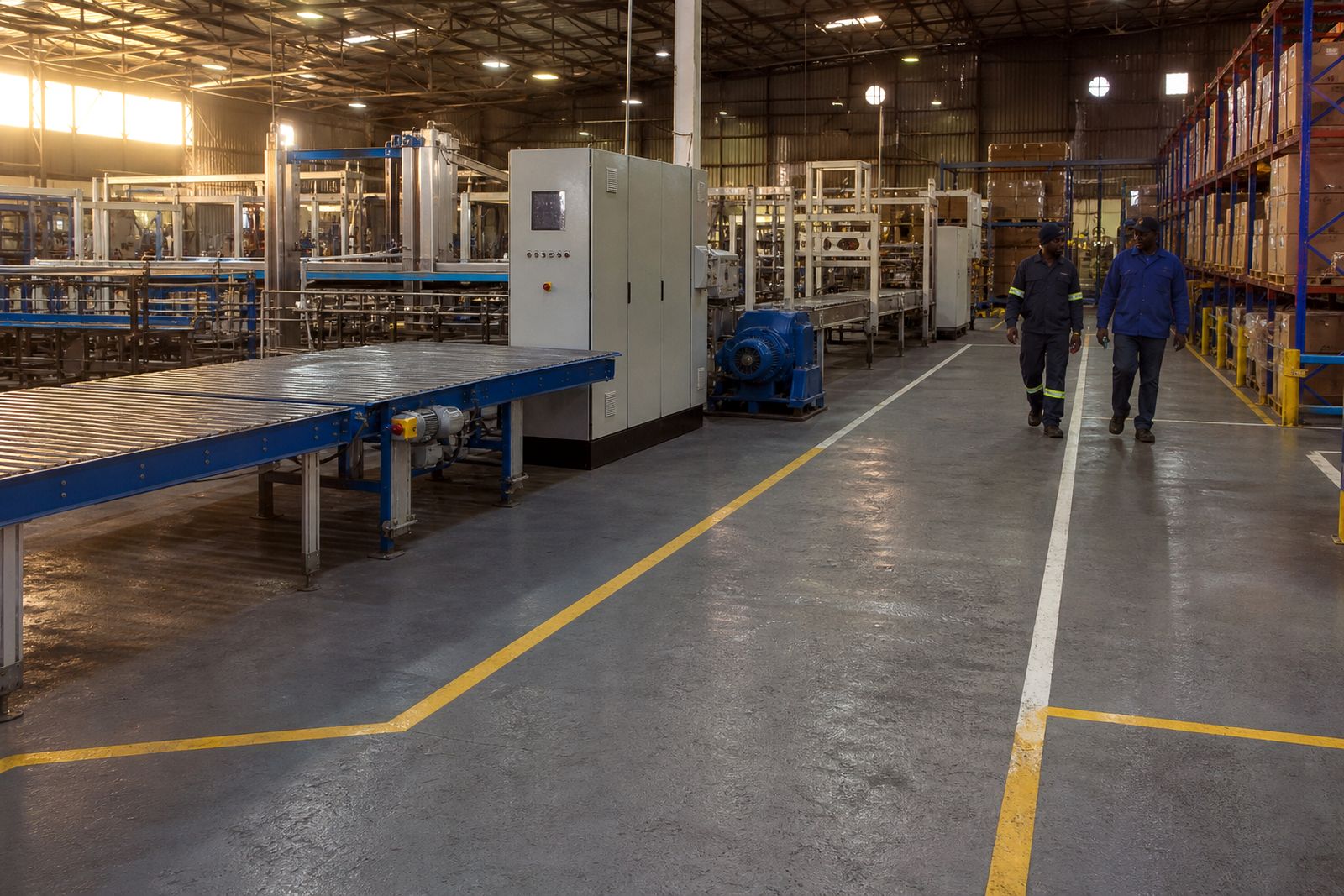
Corridors, packaging areas and transfer points near doors each see different moisture and traffic, so coating thickness and sensor placement vary between them. Forklift zones take thicker, more impact-resistant coatings than foot-traffic areas, with slip ratings chosen for how each corridor is used.
Plant access and deliveries
Crane hire and internal rigging at your plant are scheduled in advance and coordinated with other site activities. Notes on gate scheduling, shared internal roads or tight building entries feed into lifting and positioning arrangements during a shutdown or low-activity period.
Scope notes should state that the job is for a Polokwane plant, with duty descriptions and site address included, so suppliers and transport planners can allocate suitable routes and vehicles.
What our Plant Equipment customers say
Verified Google reviews
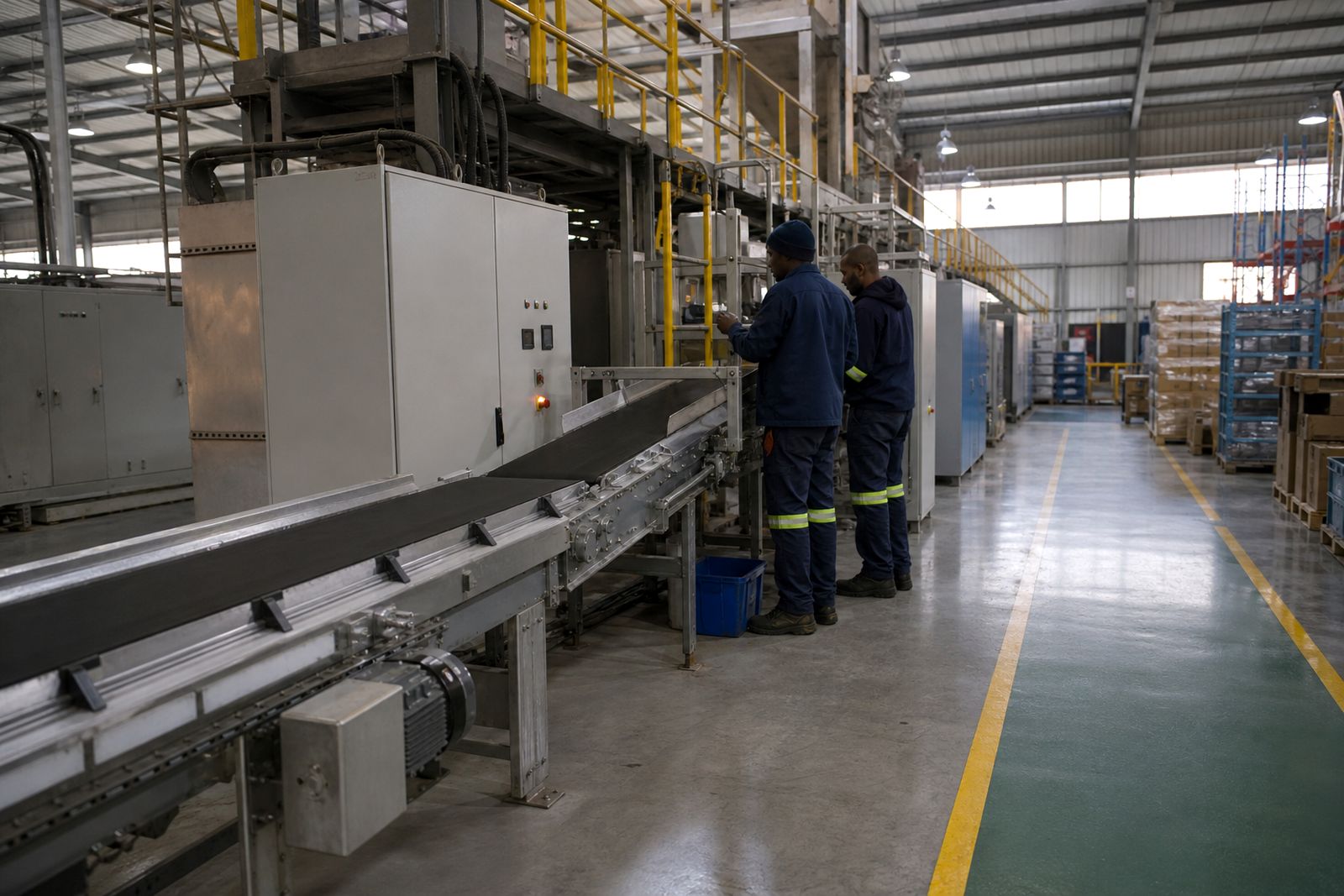
Duty figures for Polokwane
Tonnage, product type and operating hours for each conveyor let drive sizing start properly.
Start an enquiry