

Drive unit specifications
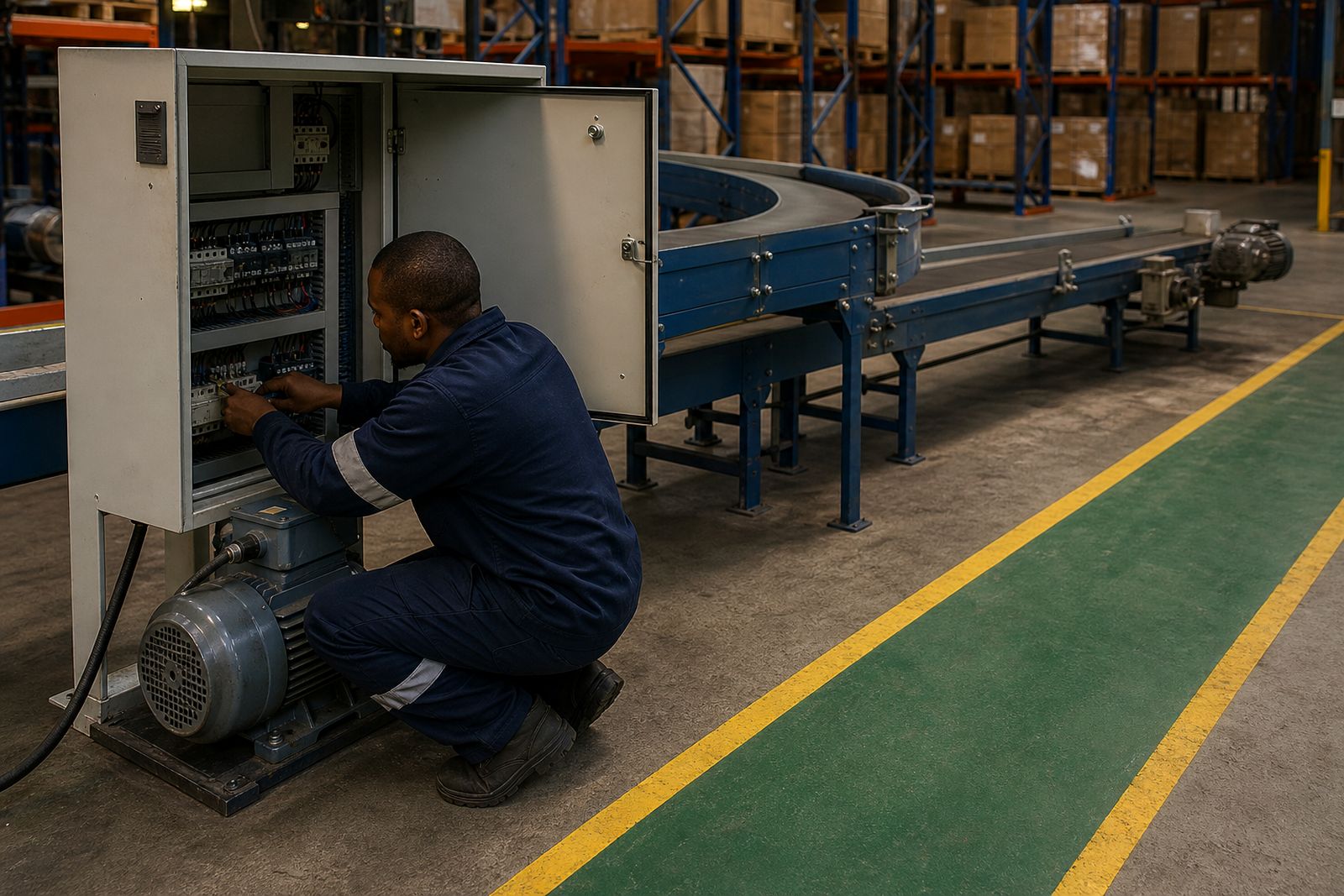
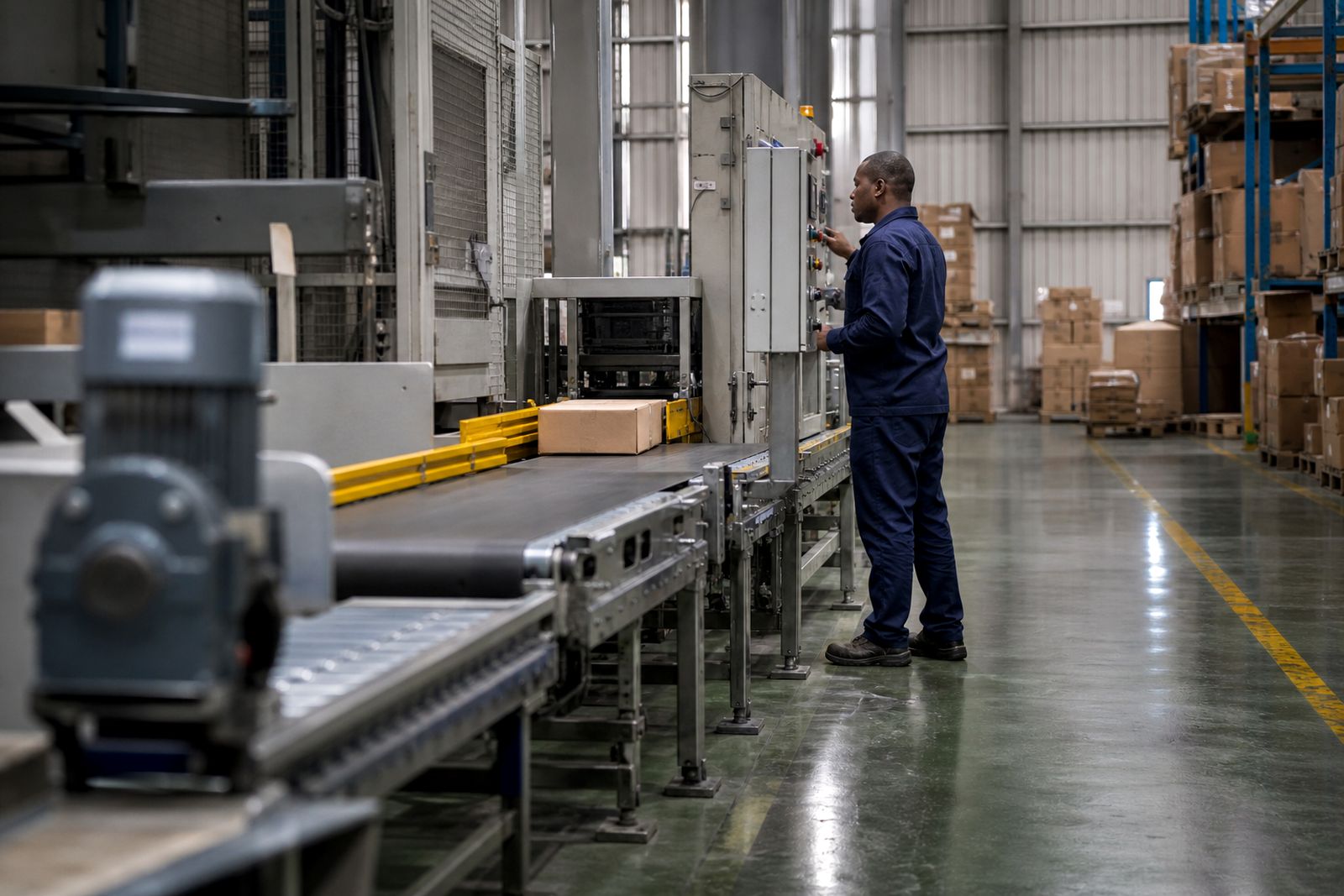
Drive positions on a conveyor line depend on written specifications for the mounting base and steelwork, guard clearance, service-side access, isolation reach and cable entry, so each motor and gearbox can be maintained where it stands.
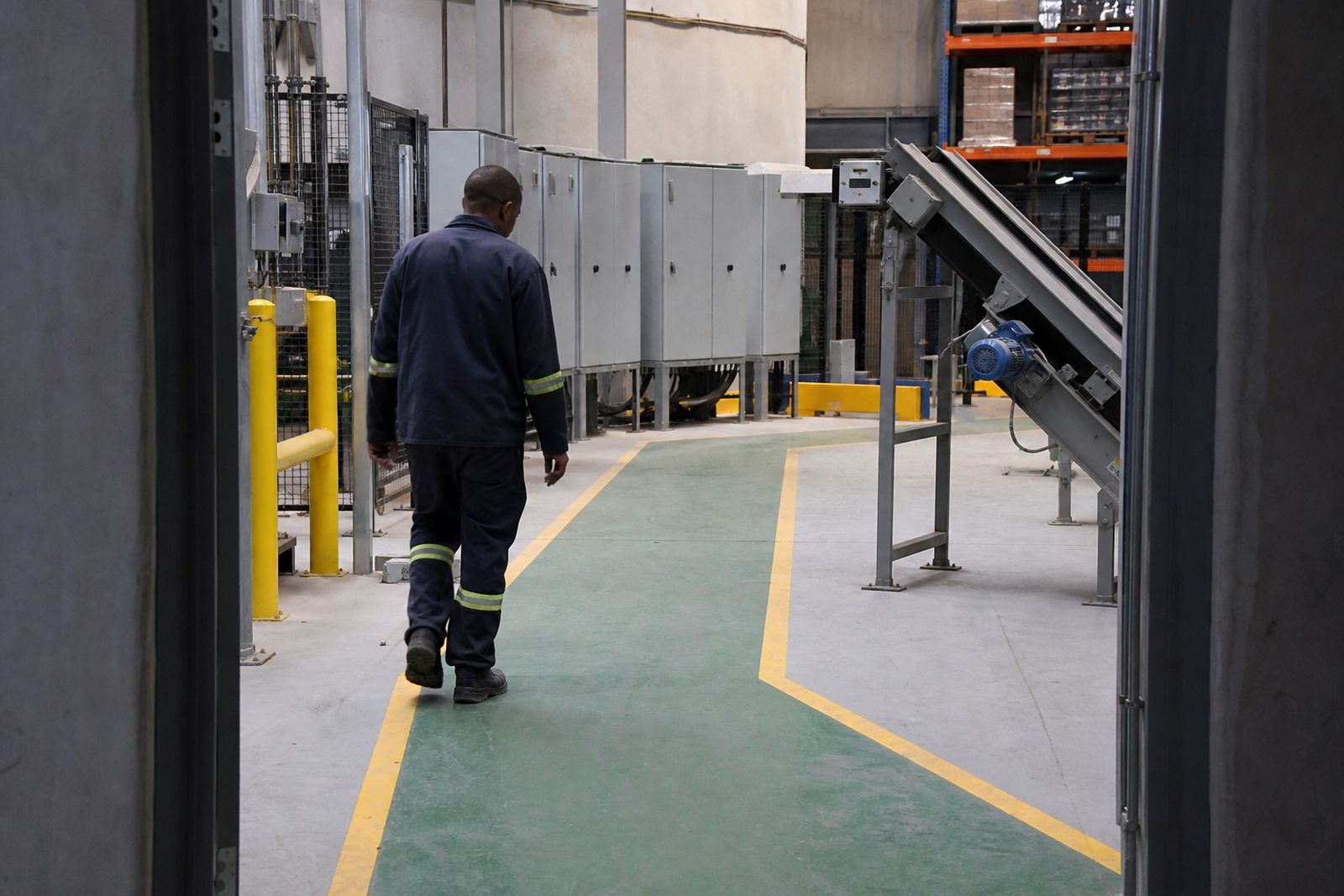
Mounting base and steelwork at each drive position
A drive specification starts with what the motor and gearbox sit on. The mounting base, the steelwork around it and the anchor locations are written down so the unit stays aligned with the conveyor shaft and its belt or chain run.
Plinths and steelwork left from earlier machinery often set the limits. Recording which parts stay and which would change shows early whether a replacement unit can use the same base.
Main requirements at each drive position
Engineers, maintenance and operations teams can combine the requirements for a drive position on one drawing, so the mounting, clearance and access points are read together.
Each drive position specification can record:
- Mounting base and steelwork matched to the conveyor frame
- Guard clearance around the coupling, belt or chain
- Service-side access for tools and lifting gear
- Isolation and lockout points within reach
- Cable entry route to the terminal box
Guard clearance and service-side access
Guards need room to hinge, slide or lift away without striking nearby steelwork, chutes or walkways. Clearance is written against the mechanical drawing, so a guard can be released with the drive still in place.
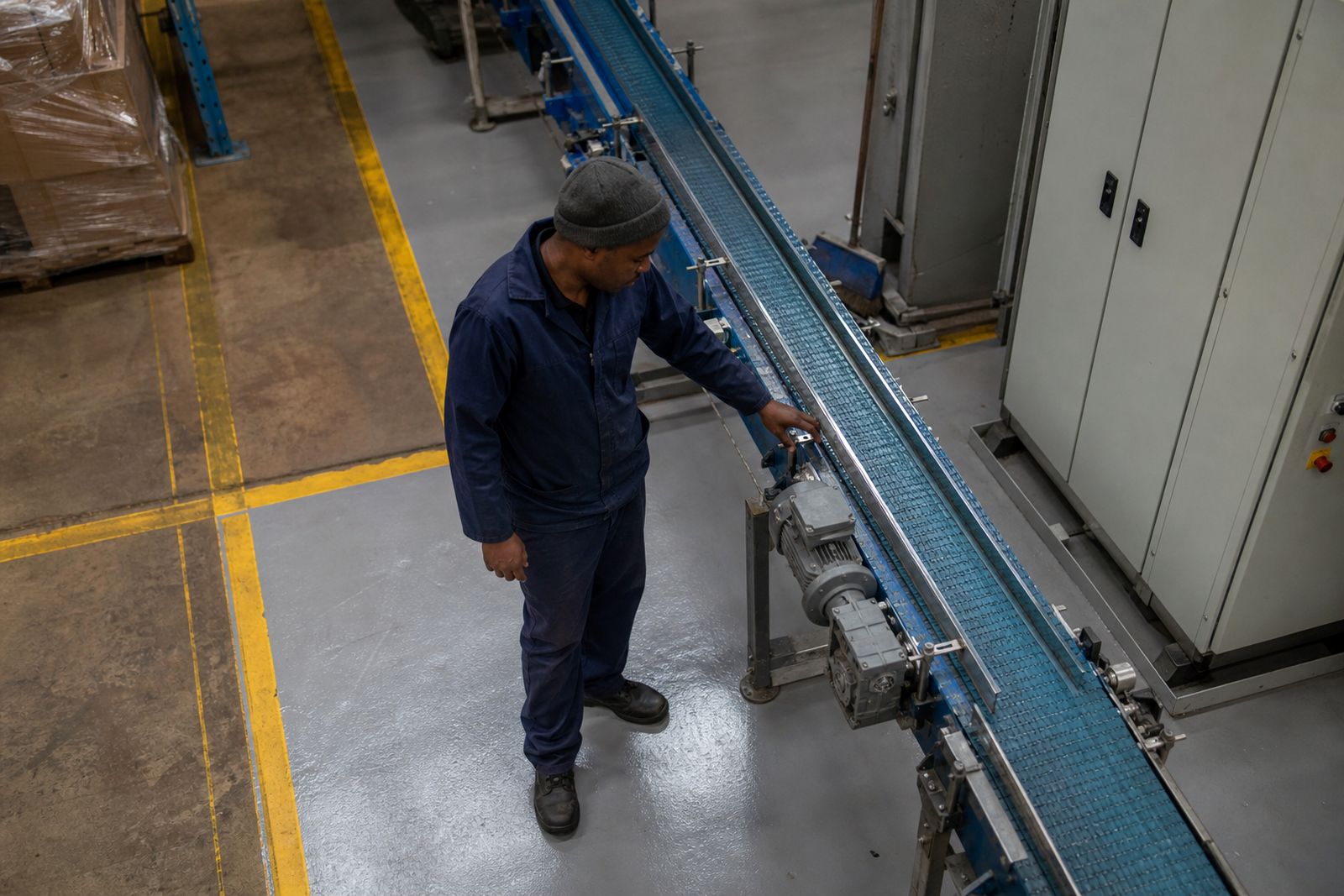
The service side is the face where technicians stand to tension, align and change out components. It needs firm standing space and open reach for spanners, bearing pullers and lifting gear.
Isolation, lockout reach and cable entry
Isolators and lockout points belong where a technician can reach them before opening a guard, including in wet process zones where a washdown limits what stays accessible.
Cable entry is specified for the terminal box face and the route taken to it, because a replacement motor can present its terminal box on a different face from the one it replaces.
Conditions that affect drive positions
Dust on cooling fins and terminal boxes, and steam or overspray reaching fasteners, guards and exposed shafts, are worth recording against each drive position so the exposed hardware gets closer inspection.
Existing plinths and framing can restrict how far a drive position opens up while production keeps running.
Inputs required before a review
A drive position can be described in words that cover the motor size, the transmission type (belt, chain, direct coupling or gearbox), the working side and the nearest fixed obstruction.
Across your line, a drive reference shown on the motor, guard and nearby steelwork lets maintenance and procurement match each specification to the actual drive position.
What our Plant Equipment customers say
Verified Google reviews
Also worth a look
Specifying a conveyor drive?
Send the motor and gearbox type, the guard arrangement and the service side at each drive position.
Start an enquiry